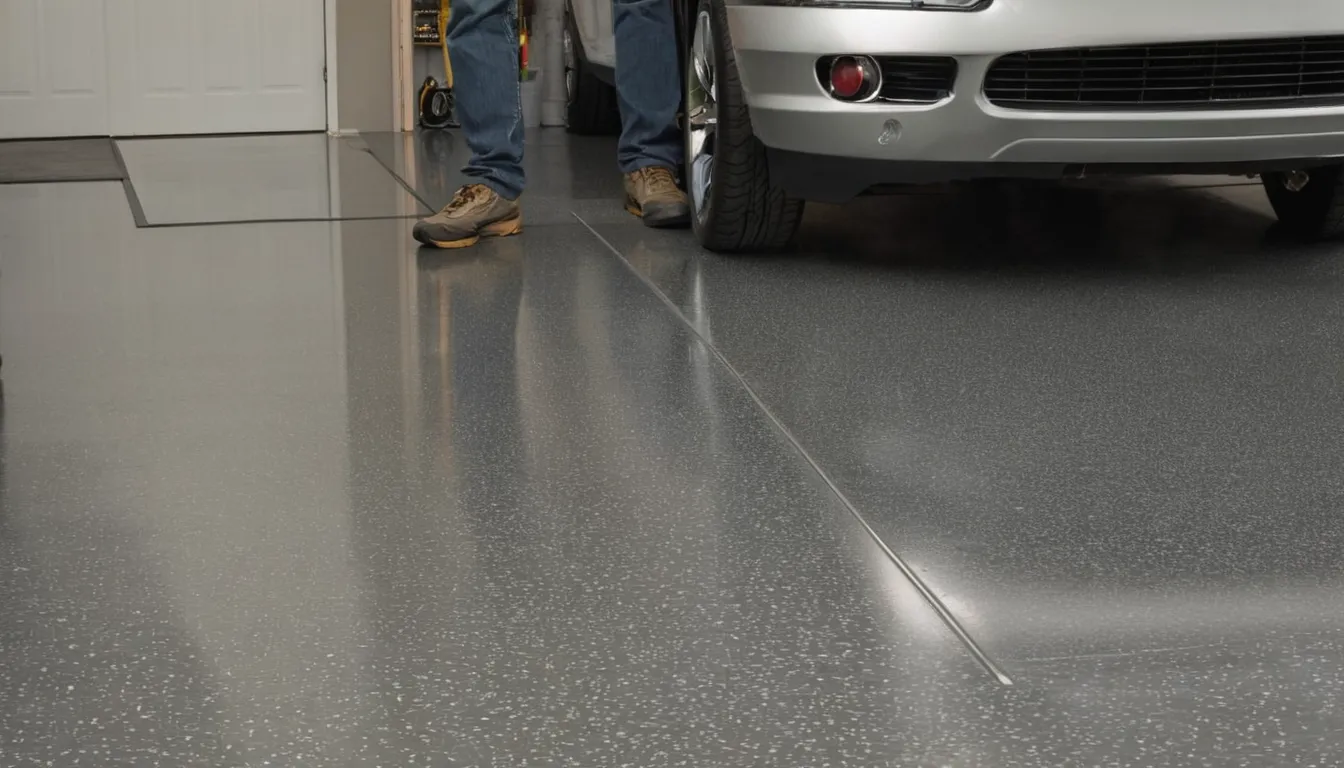
Epoxy Garage Floors Services
Epoxy garage floors protect worn concrete, and the right timing makes the job simpler, smoother, and easier to plan.
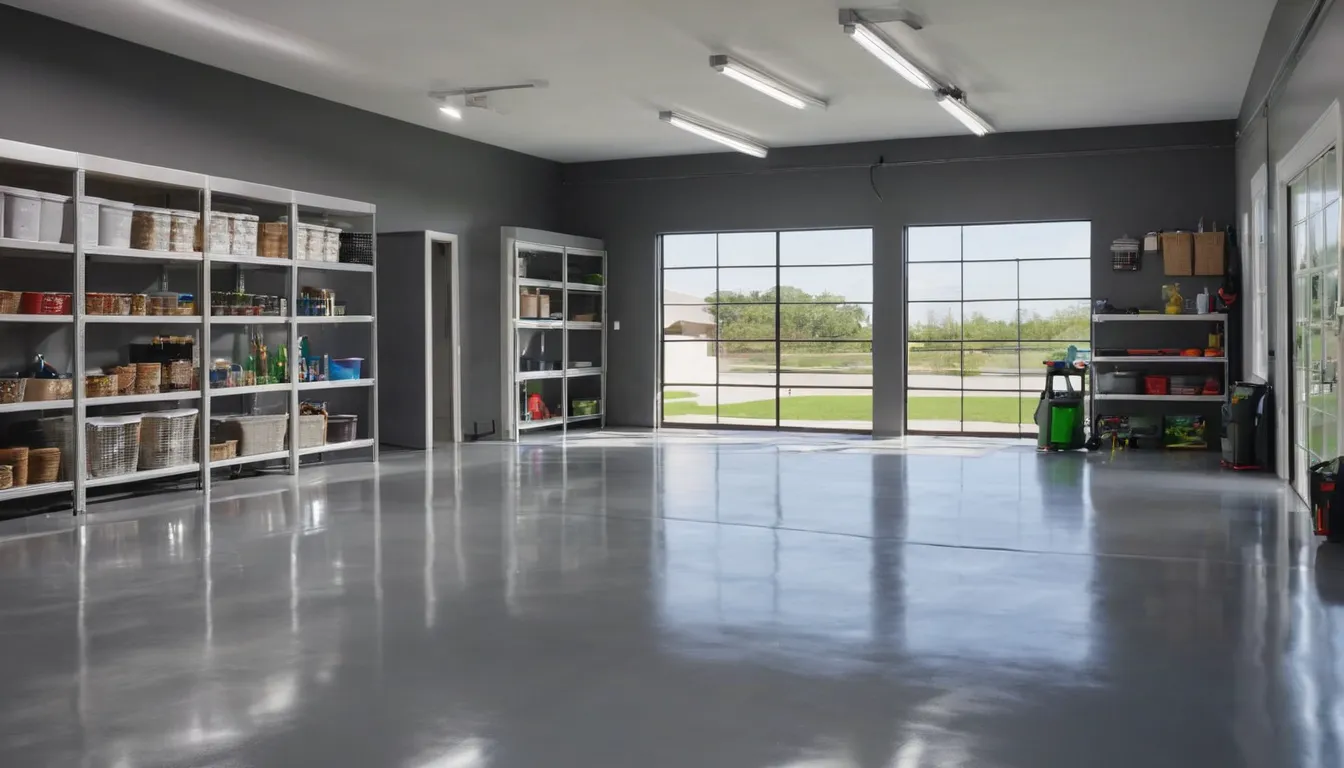
New to floor coatings? Learn what happens to concrete over time, then get connected with independent local providers in the Denver area who can look at your floor and explain your options.
We explain floor coatings in plain words and connect Denver homeowners with independent local providers.
Tell us the size, the condition of the floor, and what you hope to change.
We connect you with an independent provider in our network who serves your area.
Compare prep steps, system type, topcoat, and cure time before you decide.
Agree on dates with the provider, clear the garage, and plan for curing time.
Three kinds of work are covered here. Each one suits a different floor, budget and use. Read the short guides below, then ask a provider which fits your concrete, your climate and your daily routine.
Epoxy garage floors protect worn concrete, and the right timing makes the job simpler, smoother, and easier to plan.
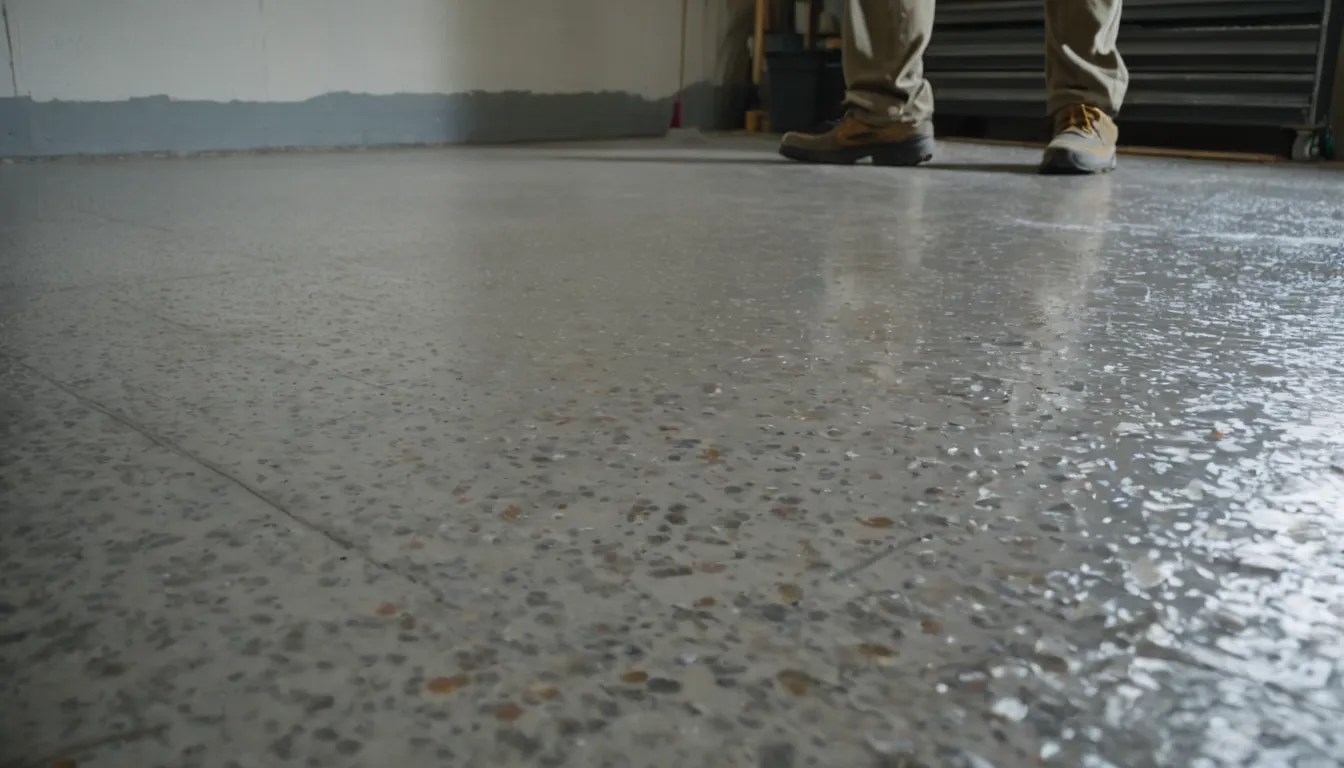
Bare concrete changes a little every day, and a coating gives it a shield before wear sets in.
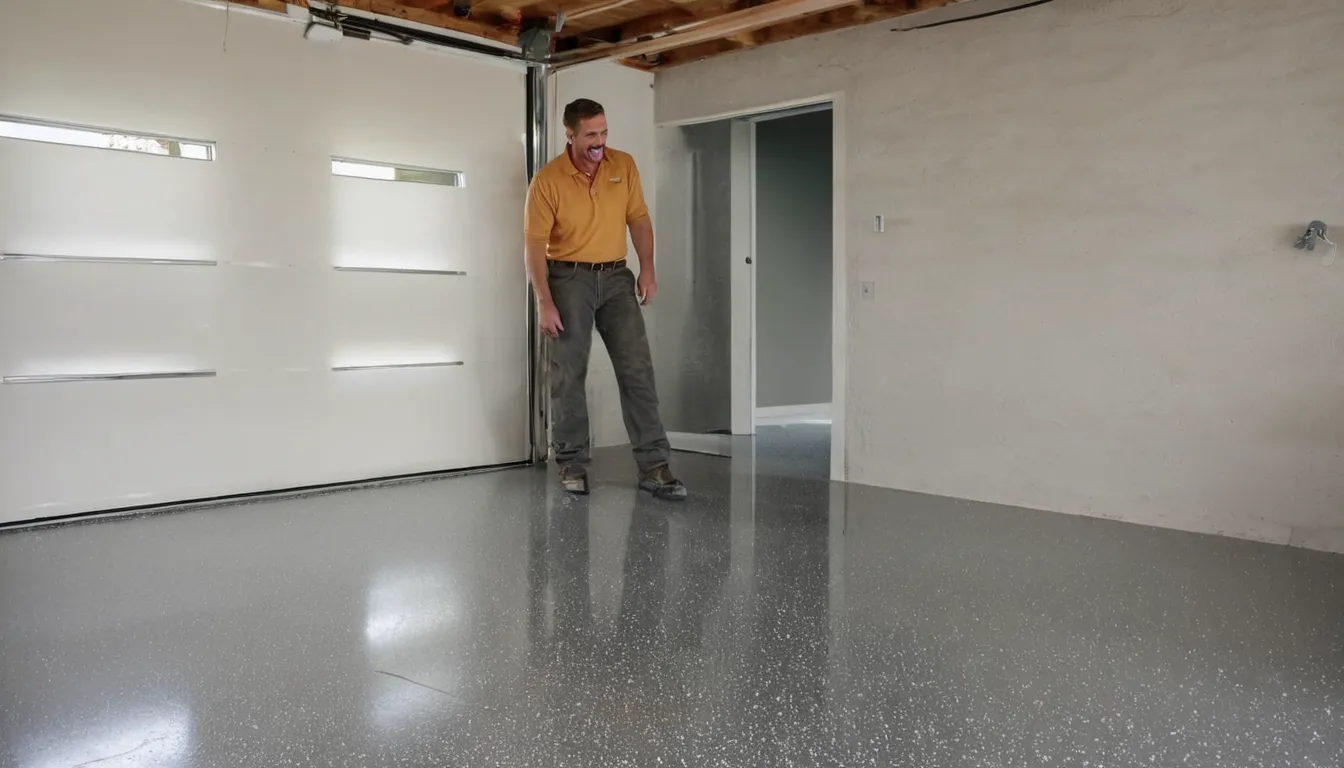
Polyaspartic coatings cure fast, so timing matters; here is what happens and what to ask first.
Planning a garage or concrete floor coating? Request a callback to check provider availability, or send a request and ask your questions with no obligation.
No obligationA bare concrete floor looks solid, but it behaves more like a sponge than a plate. It drinks in oil, salt and water slowly, and most of the harm happens where you cannot see it. If you have never had a floor coated, that is a good thing to know first.
Cancercommunicate Floor Coating is a referral service. It does not do the coating itself. It connects homeowners in Denver, CO and across the Denver area with independent providers in our network who handle epoxy garage floors, concrete coating, polyaspartic finishes and other custom floor finishes.
Here is the short version of the timeline. In the first days after a spill or a new crack, a floor is usually easy to clean and check. Over the next few weeks, stains sink deeper and thin cracks widen. After a season of snow melt and strong sun, the top layer can start to flake. Early questions usually lead to simpler answers.
Request a callback to check provider availability for your project.
Prefer to write things down first? You can request an estimate and take your time. There is no obligation.
Think of Cancercommunicate Floor Coating like a good neighbor who knows who to ask. You tell us about your floor. We point you toward independent local providers in the network. They visit, measure, explain and quote. They also do the work, under their own business names and their own terms.
Most people have never bought a floor coating, so nothing here is expected to be familiar. A typical project follows a few steps:
Coating a floor is a lot like painting a wall. A great paint over dust and grease will peel. The same is true for a garage floor. Most of the final result is decided by preparation, which is why timing and a careful first look matter so much.
Some providers in the network also help with other flooring, including hardwood flooring installation inside the house. Availability varies, so ask when you reach out.
Homes in Denver, CO and across the Denver area give floors a rough ride. The air is dry, so concrete can lose moisture fast and show hairline cracks. The sun at altitude is strong, and it can fade and chalk some coatings. Think of it as a sunburn on the floor, only slower.
Then comes winter. Heavy snow loads sit on roofs and driveways, and cars bring wet, salty slush into the garage. When spring melt arrives quickly, water can find its way across slabs and into basements. Hail adds another worry, since garage doors stay open during repairs and storms.
Many newer homes here are frame-built, often with wood or stucco exteriors and basement levels. Those slabs are often young. A young slab may need time to dry before a coating can go on, and a provider can explain how long that usually takes.
Request a callback to check which providers in our network are available near you.
If you would rather start with a message, you can request an estimate and describe your floor in your own words.
A spill sits on the surface like water on a paper towel. Oil, antifreeze and road salt start to move in right away. Wiping up and keeping the area dry gives you the most options later.
Moisture and oil settle into tiny pores. A dark patch may appear. This is still a good time to take photos and note where the marks are. A provider can use those photos to give you a better sense of the job.
Stains begin to set. Tire marks, hot-tire lifting and salt crust can show up. Cleaning gets harder, but the concrete is usually still sound. A short visit now often means a smaller list of repairs.
Small cracks can widen when water gets in and the temperature swings between cold nights and sunny days. Think of a crack like a small tear in a sleeve. It is easy to mend early and hard to ignore later.
After snow, melt and sun, a worn or thin sealer can flake. Dust may rise from the surface. Moisture from below can show as white spots or bubbles under an old coating.
A coated floor is not magic, but it is a shield. It helps resist stains, makes cleanup easier and gives the slab some protection from salt and water. Ask providers about maintenance, since care affects how long a finish looks good.
Clear the floor if you can. Note any cracks, old paint, oil spots and drainage problems. Decide how you use the space, whether it is a car bay, a workshop or a play area.
If you have a floor in mind, or just a crack that worries you, a short talk can clear things up. Providers in the network can answer questions and explain what they would look at first.
Request a callback to check provider availability.
Not ready to talk? Send a request and tell us about your project. There is no obligation.
In the U.S., epoxy garage floors often run from a few dollars to well over ten dollars per square foot. Price depends on repairs, grinding, the coating system and the size of the space. Ask for a written quote before work starts.
Many garage floors take a few days from prep to coating. Cure time adds more before heavy use. Cracks, moisture and the type of coating can stretch the schedule, so ask the provider for a realistic plan.
Neither is simply better. Polyaspartic usually cures faster and handles sunlight well. Epoxy is common, has a thick feel, and can cost less. A local provider can match the choice to your slab, climate and budget.
Not usually. New slabs hold moisture and need time to dry and cure. Providers often test moisture first. This is common in newer homes, so ask how long your floor should wait.
No. Cancercommunicate Floor Coating is a referral service. Independent providers in the network do the work and set their own prices. You can request an estimate with no obligation.
Planning a garage or concrete floor coating? Request a callback to check provider availability, or send a request and ask your questions with no obligation.
No obligation